Income Tax for Beginners: Old vs New Tax Regime & Section 80C Explained
Confused between Old vs New Tax Regime? Yeh guide income tax for beginners ko simple Hinglish mein samjhata hai — taxable income se lekar Section 80C tak, step-by-step.
Income tax for beginners ka sabse bada confusion yahin se start hota hai: har mahine salary aane se pehle CTC dikhta hai, phir salary slip mein TDS kat jaata hai, saal ke end mein Form 16 milta hai — aur phir ITR file karne ka time aata hai.
Lekin beech mein ek badi confusion reh jaati hai: taxable income kya hoti hai, tax kaise calculate hota hai, Old Regime le ya New Regime, aur Section 80C ka role kya hai?
Agar aapke liye income tax abhi bhi ek “black box” hai, to yeh income tax for beginners guide exactly isi problem ko solve karne ke liye likha gaya hai — bina jargon ke, seedha practical Hinglish mein.
Aur agar aap tax planning ke saath-saath apni overall financial journey bhi organize karna chahte hain, MoneyPicker ke beginner personal-finance guides aur calculators zaroor explore karein.
📑 Is Article Mein Kya Milega (Table of Contents)
- Yeh Guide Kiske Liye Hai?
- Income Tax Kya Hai?
- Income vs Taxable Income
- Tax Calculation Kaise Kaam Karta Hai
- Tax Slabs Kya Hote Hain (FY 2026-27)
- Ek Simple Tax Calculation Example
- Old Tax Regime Kya Hai?
- New Tax Regime Kya Hai?
- Old vs New Tax Regime — Comparison
- Kaunsa Regime Kis Situation Mein Better?
- Section 80C Kya Hai?
- Section 80C — Eligible Items
- Tax Saving ≠ Investment Decision
- Doosri Important Deductions
- Standard Deduction
- Tax Rebate Kya Hota Hai?
- TDS, Form 16 aur ITR
- Tax Planning vs Tax Evasion
- Common Mistakes Jo Beginners Karte Hain
- Tax Myths vs Reality
- Regime Choose Karne Ka Decision Framework
- 4-Week Beginner Action Plan
- Final Tax Checklist
- FAQs
Yeh Guide Kin Income Tax for Beginners Ke Liye Hai?
Is income tax for beginners guide ko likhne ka maksad ek hi hai — un logon ki madad karna jo pehli baar apni income par tax ka hisaab samajhna chahte hain, bina kisi complicated legal jargon ke.
Yeh article especially un income tax for beginners ke liye useful hai jo:
- Apni first job ya first salary abhi-abhi receive karna shuru kiya hai
- Freelancing ya side income start ki hai aur tax obligations samajhna chahte hain
- College/campus se nikal kar workforce join kiya hai aur CTC vs in-hand salary ka confusion hai
- Old vs New Tax Regime choose karne mein confuse hain aur ek simple starting point chahte hain
Chahe aap salaried professional ho ya self-employed, agar aap khud ko ek income tax for beginner maante hain, to is article ko section-by-section follow karna sabse practical tareeka hoga.
Income Tax Kya Hai?
Yeh income tax for beginners section se hi shuru karte hain: simple bhasha mein, income tax ek direct tax hai jo Government of India apne citizens aur entities ki income par charge karti hai, taaki public services, infrastructure aur welfare schemes fund ho saken. Yeh income tax alag-alag sources se aane wali income par lagta hai, jaise:
- Salary income — job se milne wali salary
- Interest income — savings account, FD ya bonds se mila interest
- Rental income — property se mila kiraya
- Business/professional income — freelancing ya business se profit
- Capital gains — shares, mutual funds ya property bechne se hua profit
- Other sources — jaise lottery, gifts (kuch conditions ke saath), etc.
Yeh samajhna zaroori hai ki income tax pure income par nahi, balki taxable income par calculate hota hai — jo agla topic hai. Official definitions aur income categories Income Tax Department ki website par detail mein dekhi ja sakti hain.
Income vs Taxable Income — Beginners Ke Liye Sabse Important Concept
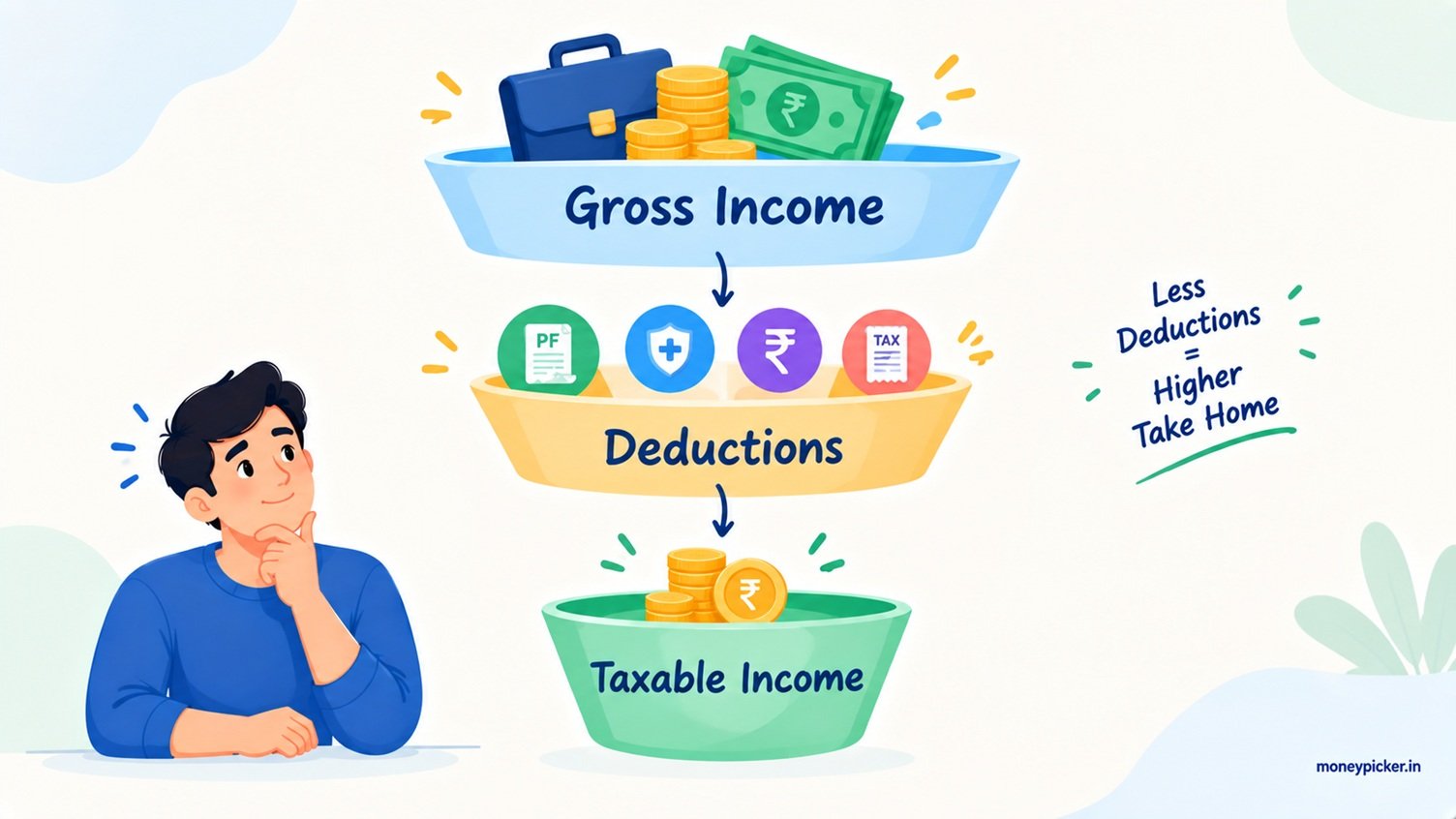
Bahut se beginners assume karte hain ki jo income unke bank account mein aati hai, uspar hi poora tax lagta hai. Reality thodi different hai:
Illustrative example (sirf samajhne ke liye, universal formula nahi): Agar aapki gross salary ₹9,00,000 hai aur aap New Regime mein ₹75,000 ka standard deduction claim kar rahe hain, to aapki taxable income ₹8,25,000 ban jaati hai. Actual number aapki income category, regime choice aur eligible deductions ke hisaab se differ karega.
Tax Calculation Kaise Kaam Karta Hai (Basic Flow)
Ek beginner ke liye poora tax calculation is basic flow mein samjha ja sakta hai:
Yaad rakhein: actual computation income type (salary, capital gains, business) aur individual circumstances ke hisaab se aur bhi nuanced ho sakta hai. Yeh flow ek simplified beginner-level overview hai.
Tax Slabs Kya Hote Hain? (FY 2026-27 / AY 2027-28)
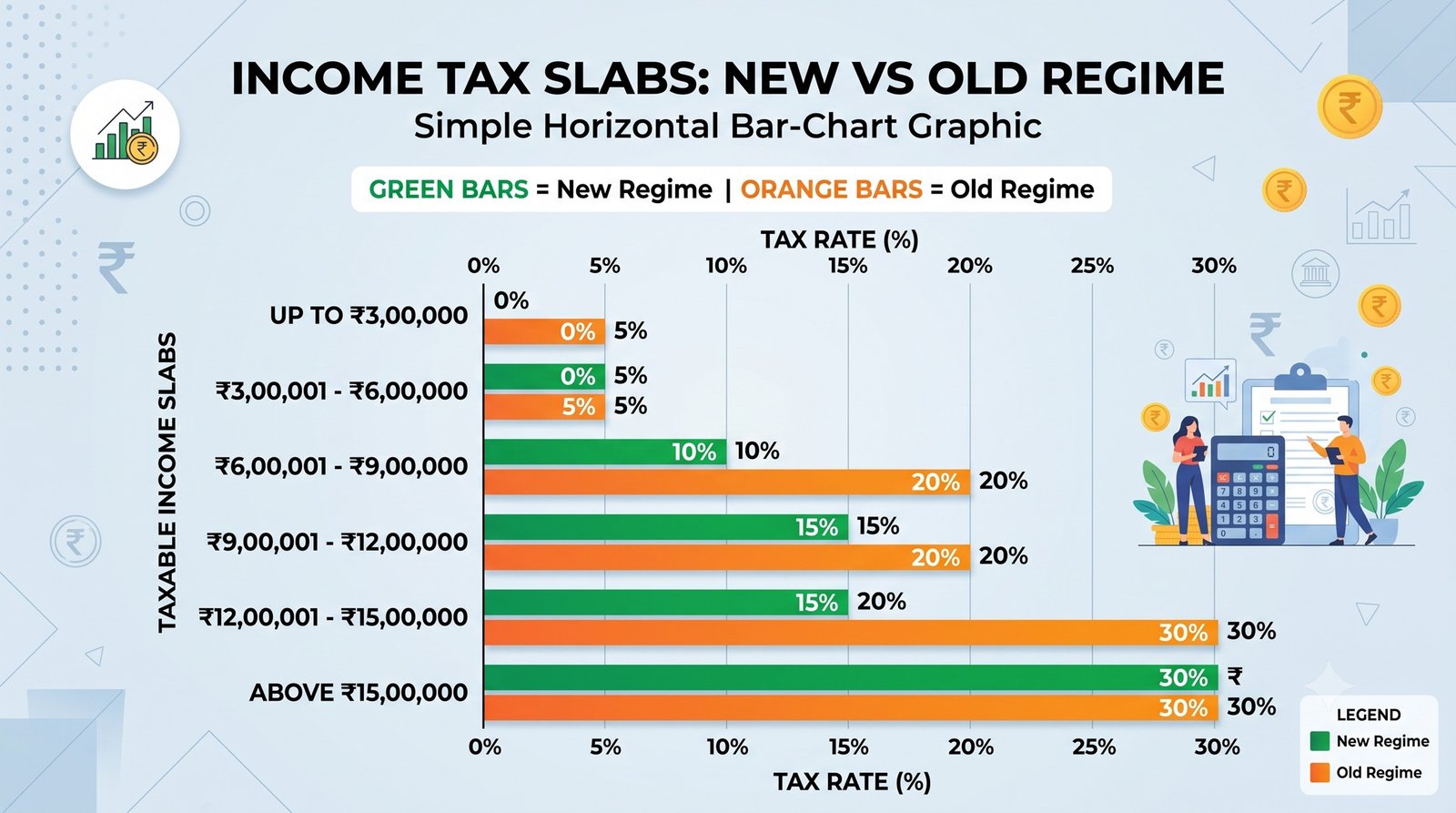
India progressive tax system follow karta hai — matlab income jitni zyada hogi, applicable rate utna high hoga, lekin poori income par ek hi rate nahi lagta. Yeh concept samajhna har income tax for beginners ke liye zaroori hai: har slab ka apna rate hota hai, aur sirf us slab mein aane wali income par woh rate apply hota hai.
Important: Neeche diye gaye slabs FY 2026-27 (AY 2027-28) ke liye hain, jo Budget 2025 mein introduce hue the aur Budget 2026 mein unchanged rakhe gaye. New Tax Regime FY 2025-26 se default regime hai.
New Tax Regime — Slab Rates (FY 2026-27)
| Taxable Income | Tax Rate |
|---|---|
| ₹0 – ₹4,00,000 | Nil |
| ₹4,00,001 – ₹8,00,000 | 5% |
| ₹8,00,001 – ₹12,00,000 | 10% |
| ₹12,00,001 – ₹16,00,000 | 15% |
| ₹16,00,001 – ₹20,00,000 | 20% |
| ₹20,00,001 – ₹24,00,000 | 25% |
| Above ₹24,00,000 | 30% |
Section 87A rebate ke wajah se New Regime mein ₹12,00,000 tak ki taxable income par effectively zero tax liability ban sakti hai (salary income wale employees ke liye ₹75,000 standard deduction ke saath yeh limit ₹12.75 lakh tak ja sakti hai). Yeh rebate special-rate income (jaise kuch capital gains) par apply nahi hota.
Old Tax Regime — Slab Rates
| Taxable Income | Tax Rate |
|---|---|
| ₹0 – ₹2,50,000 | Nil |
| ₹2,50,001 – ₹5,00,000 | 5% |
| ₹5,00,001 – ₹10,00,000 | 20% |
| Above ₹10,00,000 | 30% |
Old Regime mein senior citizens (60+) aur super senior citizens (80+) ke liye exemption limit thodi relaxed hai. Cess (Health & Education Cess @4%) dono regimes mein final tax amount par apply hota hai, aur surcharge higher income levels par applicable ho sakta hai.
Ek Simple Tax Calculation Example
Yeh example sirf illustrative hai — New Tax Regime, FY 2026-27 ke current slabs use karke.
Annual Gross Salary: ₹10,00,000
Standard Deduction (New Regime): ₹75,000
Taxable Income: ₹9,25,000
Tax calculation (slab-wise):
₹0–4,00,000 → Nil
₹4,00,001–8,00,000 (₹4,00,000) @5% = ₹20,000
₹8,00,001–9,25,000 (₹1,25,000) @10% = ₹12,500
Tax before cess = ₹32,500
Chunki taxable income (₹9,25,000) ₹12,00,000 ki rebate limit se kam hai, Section 87A rebate ke through poora tax nil ho jaata hai. Final tax liability = ₹0 (illustrative; actual eligibility conditions apply).
Old Tax Regime Kya Hai?
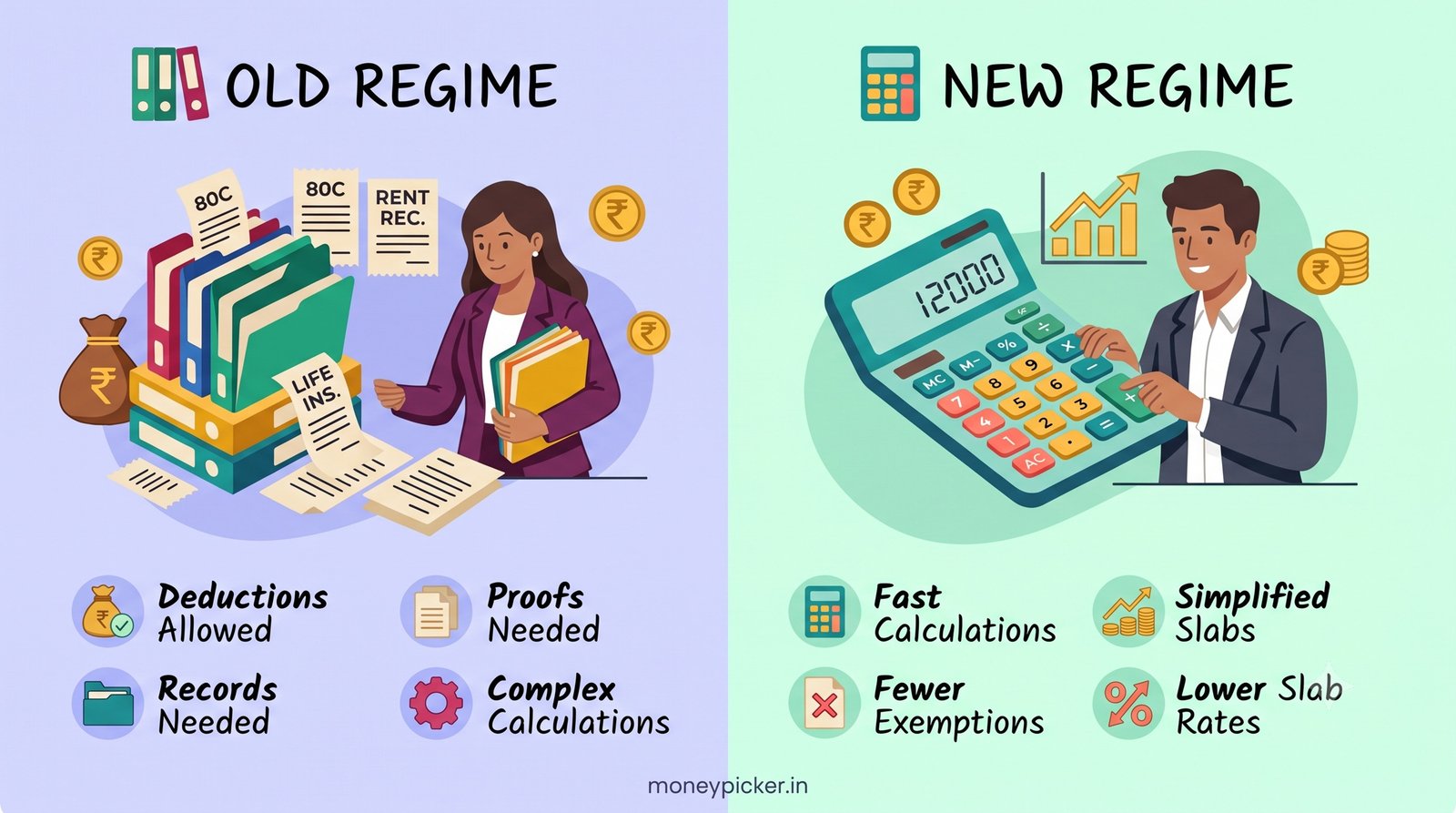
Zyadatar income tax for beginners ko sabse pehle Old Tax Regime hi samajhni padti hai, kyunki yeh saalon se chala aa raha traditional system hai jisme taxpayers ko multiple deductions aur exemptions claim karne ki flexibility milti hai — jaise Section 80C, 80D, HRA exemption, aur home loan interest deduction. Iske badle mein tax rates thoda higher hote hain compared to New Regime.
Old Regime un logon ke liye useful ho sakta hai jinke paas:
- Substantial eligible investments (EPF, PPF, ELSS, life insurance, etc.)
- Home loan hai jiska interest aur principal deduction claim kiya ja sakta hai
- HRA claim karne layak rent payments
- Health insurance premium (Section 80D)
Lekin yeh universally better nahi hai — outcome poori tarah individual ki income aur eligible deductions par depend karta hai. Agar aapke paas home loan hai aur aap principal/interest deduction ka impact dekhna chahte hain, MoneyPicker ka EMI Calculator aapki monthly outgo aur total interest samajhne mein help karega.
New Tax Regime Kya Hai?
New Tax Regime FY 2025-26 se default regime bana diya gaya hai. Isme tax rates lower hain aur zyada slabs hain, lekin most Chapter VI-A deductions (jaise Section 80C, 80D) available nahi hain. Kuch benefits jo New Regime mein milte hain:
- Standard deduction ₹75,000 (salaried/pensioners ke liye)
- Section 87A rebate ₹12,00,000 taxable income tak
- Simpler filing — kam documentation ki zarurat
New Regime un logon ke liye better ho sakta hai jinke paas limited eligible deductions hain ya jo simplicity prefer karte hain. Agar aap old ya new regime switch karne se pehle apne long-term goals bhi plan karna chahte hain, to MoneyPicker ka ₹1 Crore Calculator aapko wealth-building perspective dene mein help kar sakta hai.
Old vs New Tax Regime — Side-by-Side Comparison
| Feature | Old Tax Regime | New Tax Regime |
|---|---|---|
| Tax Slab Structure | 4 slabs, higher rates | 7 slabs, lower rates |
| Section 80C | Available (up to ₹1.5 lakh) | Not available |
| Common Deductions (80D, HRA, home loan interest) | Available (subject to conditions) | Mostly not available |
| Standard Deduction | ₹50,000 | ₹75,000 |
| Section 87A Rebate | Taxable income up to ₹5,00,000 | Taxable income up to ₹12,00,000 |
| Complexity | Higher (documentation heavy) | Lower (simpler filing) |
| Best Suited For | Substantial eligible deductions/investments | Limited deductions, simplicity preference |
Old vs New Regime — Kaunsa Regime Kis Situation Mein Suit Kar Sakta Hai?
Old Regime Evaluate Karein Agar:
Aapke paas substantial eligible deductions/exemptions hain, jaise bade home loan interest payments, high 80C investments, ya significant HRA claim.
New Regime Evaluate Karein Agar:
Aapki eligible deductions limited hain, aur aap simpler tax structure ke saath higher rebate benefit chahte hain.
Bottom line: better regime aapki actual income aur eligible deductions par depend karta hai — dono regimes mein tax calculate karke hi final decision lena chahiye.
Regime Comparison — Do Hypothetical Examples (FY 2026-27)
🅰️ Example A — Limited Deductions
Gross Income: ₹10,00,000
Eligible deductions (Old Regime): ₹50,000 only
📜 Old Regime taxable income: ₹9,50,000 → tax before cess ≈ ₹1,02,500
🆕 New Regime taxable income: ₹9,25,000 → tax = ₹0 (rebate applicable)
🏆 New Regime beneficial hai.
🅱️ Example B — Substantial Deductions
Gross Income: ₹15,00,000
Eligible deductions (Old Regime): 80C ₹1,50,000 + 80D ₹25,000 + home loan interest ₹2,00,000 + standard deduction ₹50,000 = ₹4,25,000
📜 Old Regime taxable income: ₹10,75,000 → tax before cess ≈ ₹1,20,000
🆕 New Regime taxable income: ₹14,25,000 → tax before cess ≈ ₹1,08,750
⚖️ Yahan dono regimes close hain — actual numbers se hi decide karein.
Dono examples illustrative hain, sirf comparison samajhne ke liye — actual figures apni situation ke hisaab se calculate karein.
Section 80C Kya Hai?
Section 80C Income Tax Act ka ek deduction provision hai jo sirf Old Tax Regime mein available hai. Isme eligible investments aur payments ko taxable income se deduct kiya ja sakta hai, up to ek overall limit ke. Beginners ke liye yeh samajhna zaroori hai ki income tax planning mein 80C ek important — lekin ek hi — tool hai.
Section 80C “free money” ya cashback nahi hai — yeh sirf aapki taxable income ko reduce karta hai, jisse tax liability kam hoti hai. Current applicable overall limit ₹1,50,000 per financial year hai (verify karein incometax.gov.in se latest updates ke liye).
Section 80C — Common Eligible Categories
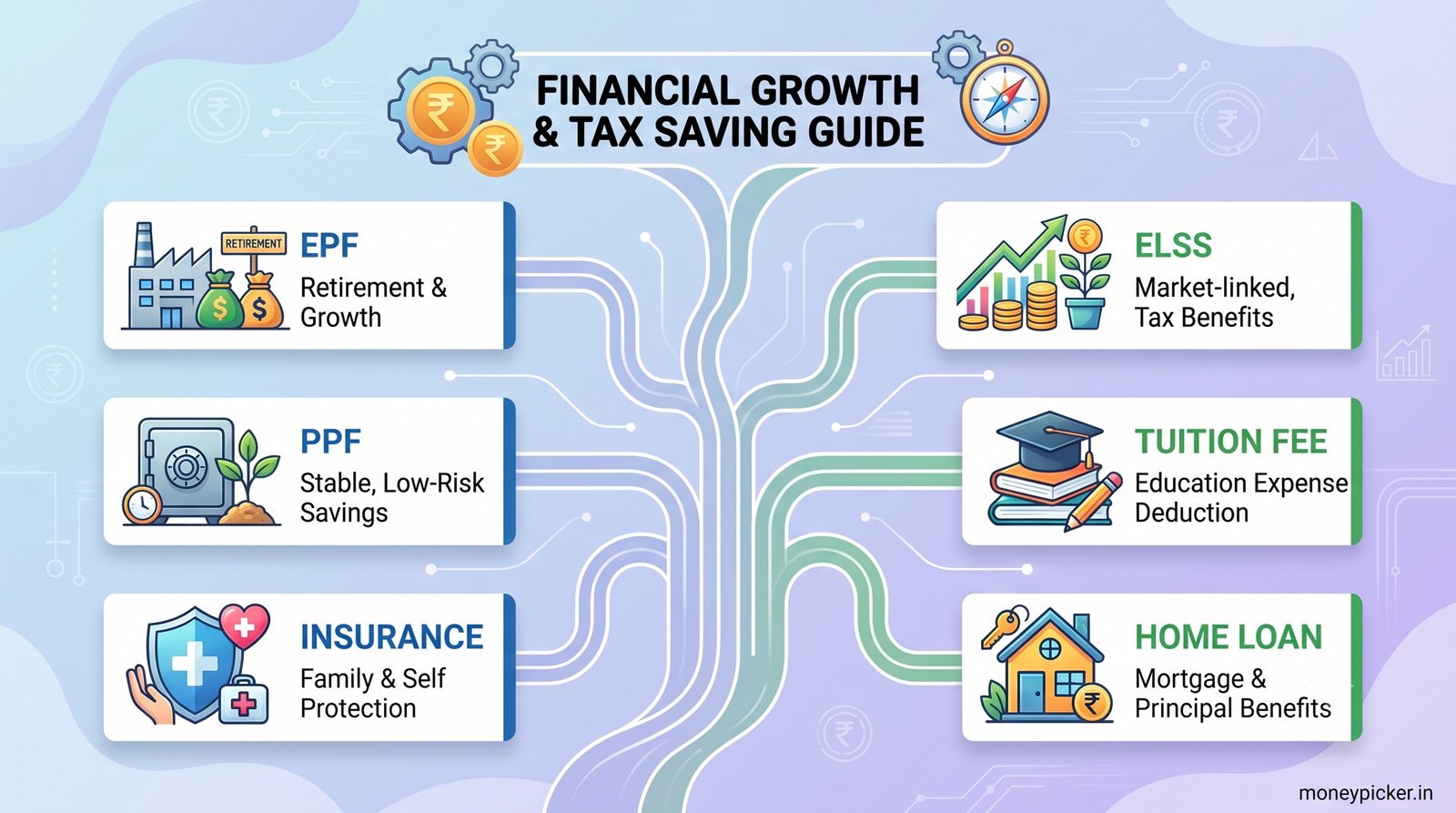
Har category ki apni eligibility conditions hoti hain — har product automatically qualify nahi karta. Multiple items ka total ₹1,50,000 ki overall limit ke andar hi count hoga; same amount do provisions ke under claim nahi kiya ja sakta.
EPF ki official details EPFO ki website par milti hain, jabki ELSS mutual funds ke baare mein AMFI se authoritative jaankari mil sakti hai. Yeh sab details har income tax for beginners ke liye eligibility verify karne se pehle padhni chahiye.
Section 80C Example
EPF contribution: ₹60,000
PPF: ₹50,000
Life insurance premium: ₹30,000
Eligible tuition fee: ₹40,000
Total eligible contribution: ₹1,80,000
Chunki overall limit ₹1,50,000 hai, poora ₹1,80,000 claim nahi hoga — sirf ₹1,50,000 deduction ke roop mein allowed hoga (statutory limit ke subject).
Important: Tax-Saving ≠ Investment Decision
ELSS, insurance aur tax-saving deposits choose karte waqt in factors ko consider karein: risk appetite, liquidity needs, lock-in duration, expected returns aur overall financial goal. Agar aap long-term wealth building plan kar rahe hain, MoneyPicker ka SIP Calculator aapko realistic projections dekhne mein help karega — sirf tax-saving ke angle se nahi, balki genuine investment planning ke liye.
Section 80C aur New Tax Regime
Yeh clear samajhna zaroori hai: Section 80C New Tax Regime mein available nahi hai. Agar aap New Regime choose karte hain, to 80C investments (EPF, PPF, ELSS, insurance, etc.) aapki taxable income reduce nahi karenge. Yeh sirf Old Regime taxpayers ke liye applicable deduction hai.
Doosri Important Deductions (Beginner Level)
Section 80D
Health insurance premium par deduction (Old Regime), self/family aur parents ke liye alag-alag limits ke saath.
Section 80CCD(1B)
NPS mein additional contribution par extra deduction (Old Regime), 80C limit se alag.
Section 80E
Education loan ke interest par deduction (Old Regime), specific conditions ke saath.
HRA Exemption
Salaried employees jo rent pay karte hain, unke liye HRA exemption Old Regime mein applicable ho sakta hai.
Agar aap retirement planning ke context mein NPS/EPF contributions evaluate kar rahe hain, MoneyPicker ka Retirement Corpus Calculator long-term corpus estimate karne mein useful ho sakta hai.
Standard Deduction Kya Hota Hai?
Standard deduction ek flat amount hai jo salaried employees aur pensioners apni gross salary se automatically deduct kar sakte hain, bina koi proof submit kiye. FY 2026-27 ke liye:
- New Regime: ₹75,000
- Old Regime: ₹50,000
Yeh dono regimes mein applicable hai, lekin amount different hai — isliye tax comparison karte waqt correct figure use karna zaroori hai.
Tax Rebate Kya Hota Hai? (Section 87A)
Rebate deduction se different concept hai — deduction taxable income ko reduce karta hai, jabki rebate directly tax liability ko reduce karta hai, eligible taxpayers ke liye. Section 87A ke under:
- New Regime: taxable income up to ₹12,00,000 par rebate mil sakta hai (up to ₹60,000), jisse effective tax nil ho sakta hai
- Old Regime: taxable income up to ₹5,00,000 par rebate mil sakta hai (up to ₹12,500)
Yeh rebate special-rate income (jaise kuch capital gains) par applicable nahi hota, aur NRIs is rebate ko claim nahi kar sakte. Exact eligibility conditions har saal ke Finance Act ke through set hoti hain.
Deduction vs Exemption vs Rebate
| Concept | Basic Meaning |
|---|---|
| Deduction | Eligible taxable income ko reduce karta hai (e.g., Section 80C) |
| Exemption | Certain eligible income/amount applicable rules ke according exclude ho sakta hai (e.g., HRA) |
| Rebate | Eligible taxpayers ke liye directly tax liability reduce karta hai (e.g., Section 87A) |
TDS, Form 16 aur ITR — Beginner Explanation
TDS (Tax Deducted at Source)
TDS matlab tax jo income milne se pehle hi source par kaat liya jaata hai — jaise employer aapki salary se har mahine TDS deduct karta hai. TDS final tax liability ke barabar nahi hota — yeh estimate hota hai jo actual computation ke baad refund ya additional tax mein convert ho sakta hai.
Form 16
Form 16 employer dwara diya gaya certificate hai jo salary aur usse deduct hue TDS ka summary deta hai. Yeh ITR file karte waqt reference document ke roop mein use hota hai — lekin Form 16 khud ITR nahi hai, isliye figures verify karna zaroori hai.
ITR (Income Tax Return)
ITR ek annual return hai jo eligible taxpayers apni income, deductions aur tax liability declare karne ke liye file karte hain. TDS deduct hone ke baad bhi ITR filing zaroori ho sakta hai — dono alag concepts hain, aur applicable rules ke hisaab se filing requirement depend karta hai. Details ke liye Income Tax e-Filing portal check karein.
Tax Planning vs Tax Evasion
✅ Tax Planning
Legitimate provisions (jaise Section 80C, HRA, standard deduction) use karke apni tax liability legally optimize karna.
❌ Tax Evasion
Income chhupana ya illegal methods se tax avoid karna — yeh law ke against hai aur penalties/prosecution ka risk laata hai.
MoneyPicker hamesha legitimate tax planning ko encourage karta hai, tax evasion ko nahi.
Common Tax Mistakes Jo Beginners Karte Hain
Har saal bahut se income tax for beginners yeh common mistakes repeat karte hain — inhe pehchan kar avoid karna kaafi asaan hai:
- 🚫 Actual numbers compare kiye bina regime choose karna — dono regimes mein tax calculate karke hi decide karein.
- 🚫 Assume karna ki Old Regime hamesha better hai — sirf tab jab substantial eligible deductions hon.
- 🚫 Gross income ko taxable income samajhna — dono different hote hain.
- 🚫 Interest income ignore karna — savings/FD interest bhi taxable hota hai.
- 🚫 TDS ko final tax samajhna — actual liability alag ho sakti hai.
- 🚫 Form 16 check na karna — errors ho sakti hain jo verify karni chahiye.
- 🚫 Eligibility check kiye bina deductions claim karna — penalties ka risk.
- 🚫 Outdated tax slabs use karna — har saal Budget mein changes ho sakte hain.
- 🚫 Supporting documents maintain na karna — proofs zaroori hote hain.
- 🚫 Last moment tak tax planning postpone karna — rushed decisions galat ho sakte hain.
- 🚫 Deduction aur rebate ko confuse karna — dono alag mechanisms hain.
Tax Myths vs Reality
❌ Myth: “Section 80C mujhe ₹1.5 lakh directly cash mein wapas deta hai.”
✅ Reality: Deduction sirf taxable income reduce karta hai; yeh full amount ka cash refund nahi hai.
❌ Myth: “New Tax Regime hamesha better hai.”
✅ Reality: Outcome current rules aur aapki individual deductions par depend karta hai.
❌ Myth: “Old Regime hamesha better hai agar main invest karta hoon.”
✅ Reality: Sirf eligible deductions/exemptions matter karte hain — actual comparison numbers par depend karta hai.
❌ Myth: “TDS pay ho gaya, ab ITR file karne ki zarurat nahi.”
✅ Reality: TDS aur ITR filing alag concepts hain — filing requirement applicable rules par depend karta hai.
❌ Myth: “Har insurance premium tax bachata hai.”
✅ Reality: Tax benefit applicable provision, policy aur eligibility conditions par depend karta hai.
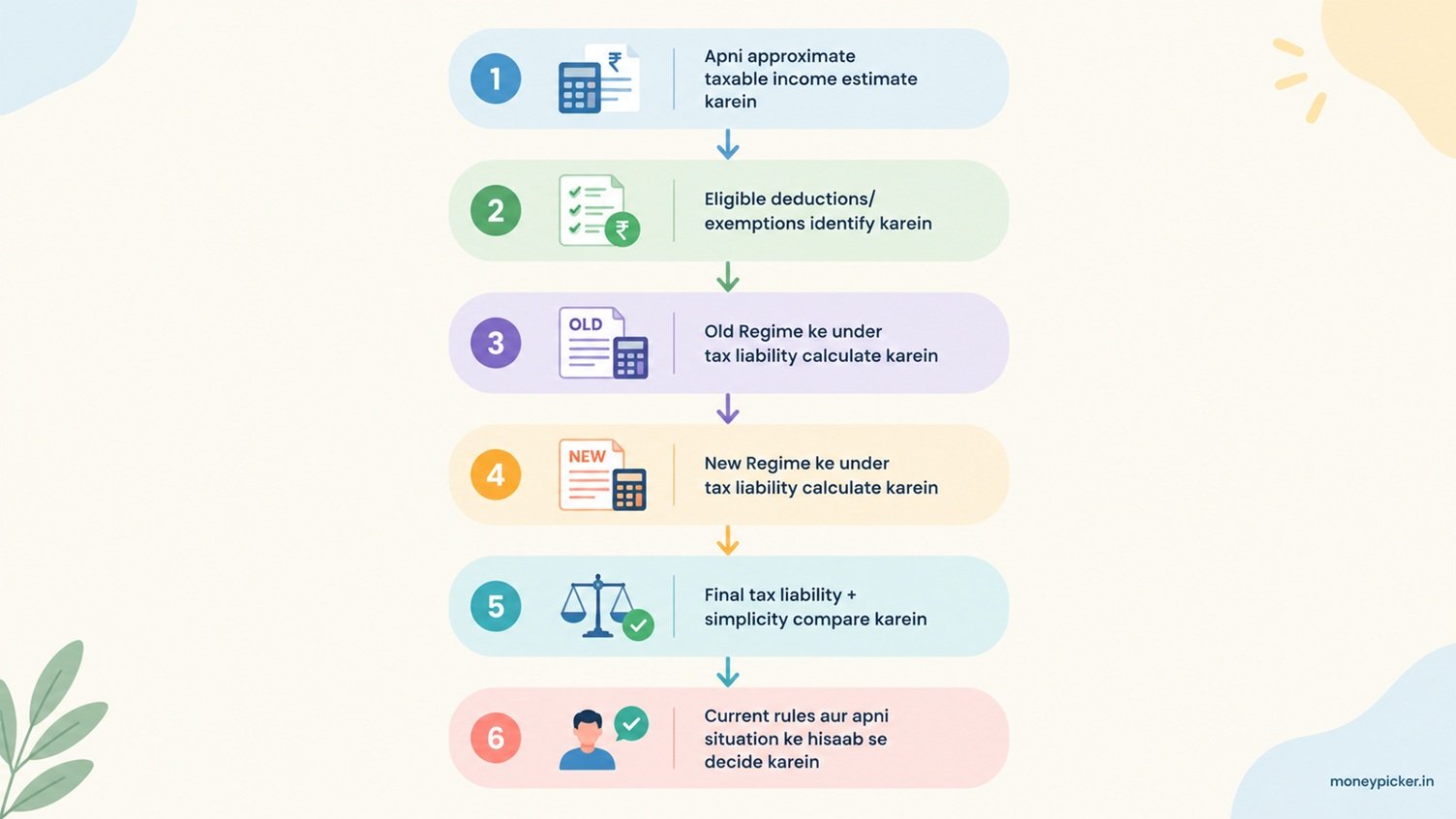
“Kaunsa Regime Choose Karein?” — Quick Decision Framework
- Apni approximate taxable income estimate karein
- Eligible deductions/exemptions identify karein
- Old Regime ke under tax liability calculate karein
- New Regime ke under tax liability calculate karein
- Final tax liability + simplicity compare karein
- Current rules aur apni situation ke hisaab se decide karein
Sirf lower tax number hi ek matra factor nahi hona chahiye — documentation aur simplicity bhi consider karein.
Beginner Tax Action Plan (4 Weeks)
Week 1
Apne saare income sources identify karein — salary, interest, rental, etc.
Week 2
Taxable income estimate karein aur eligible deductions list karein.
Week 3
Old vs New Regime dono mein actual tax calculate karke compare karein.
Week 4
TDS/Form 16 check karein aur ITR filing ke liye documents ready karein.
Final Beginner Tax Checklist
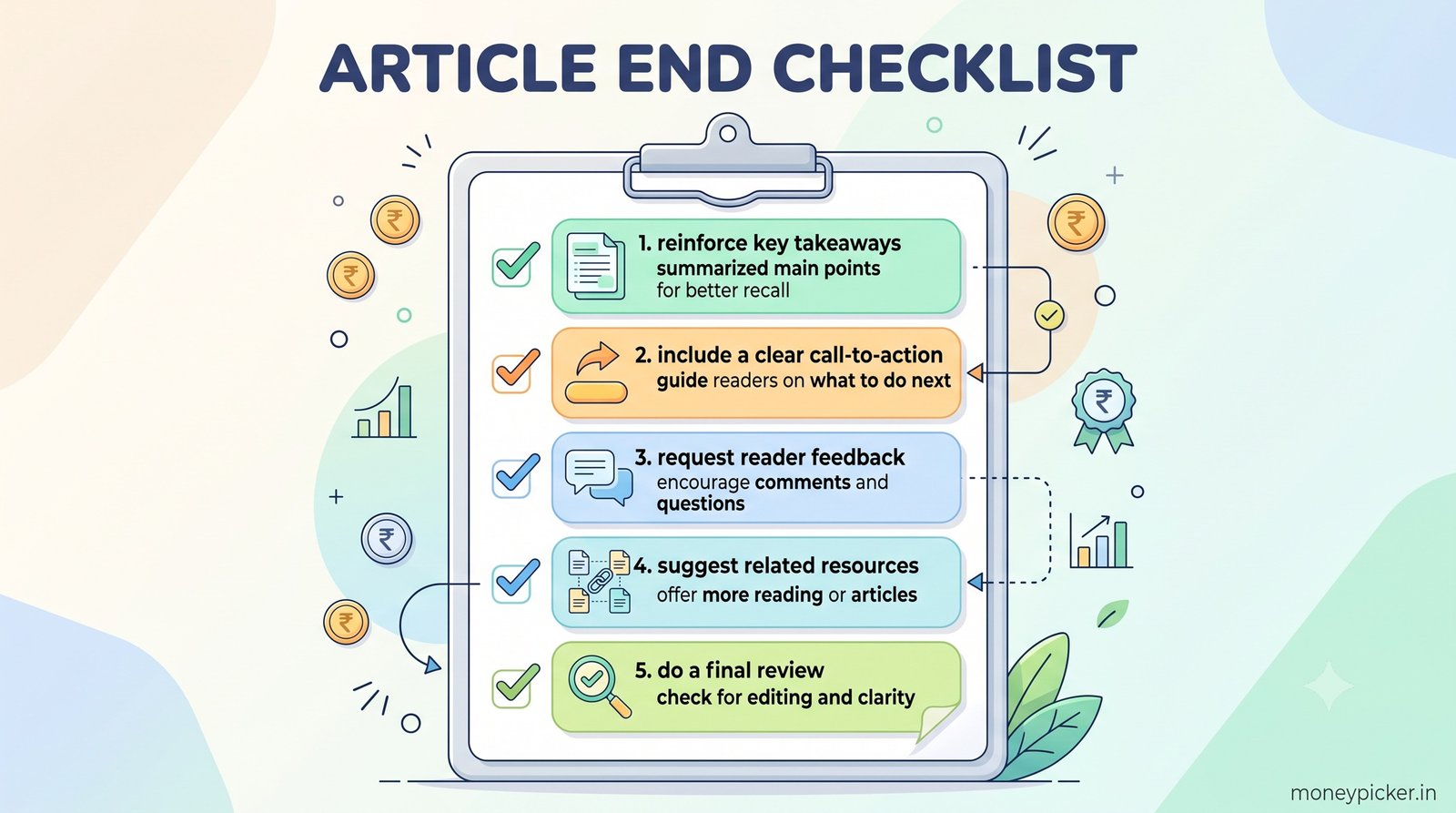
Is checklist ko ek quick self-assessment ki tarah use karein — zyadatar income tax for beginners in sab points par confident feel karne ke baad hi ITR filing ke liye ready hote hain.
- Mujhe apni approximate annual income pata hai
- Mujhe apne income sources pata hain
- Main gross vs taxable income ka basic difference samajhta/samajhti hoon
- Maine applicable tax regime check kar liya hai
- Maine dono regimes ka comparison kar liya hai
- Mujhe pata hai main kaunsi deductions ke liye actually eligible hoon
- Maine Section 80C eligibility verify kar li hai
- Maine apna Form 16/TDS details check kar liya hai
- Mere paas relevant supporting documents hain
- Maine sirf tax saving ke liye koi financial product nahi khareeda
- Main current-year (FY 2026-27) tax rules use kar raha/rahi hoon
FAQs — Income Tax for Beginners
Income tax kya hota hai?
Income tax ek direct tax hai jo Government apni citizens/entities ki taxable income par charge karti hai, jisse public services fund hote hain.
Taxable income kya hoti hai?
Taxable income woh amount hai jo gross income mein se applicable deductions/exemptions subtract karne ke baad bachta hai, aur usi par tax calculate hota hai.
Old vs New Tax Regime mein kya major difference hai?
Old Regime higher rates ke saath multiple deductions allow karta hai, jabki New Regime lower rates deta hai lekin most deductions available nahi hain.
Kaunsa tax regime better hai?
Yeh depend karta hai aapki income aur eligible deductions par — most income tax for beginners ke liye best approach yahi hai ki dono regimes mein tax calculate karke compare karein.
Section 80C kya hai?
Section 80C Old Regime ka ek deduction provision hai jo eligible investments/payments par ₹1,50,000 tak ki taxable income reduce karne deta hai.
Section 80C mein kya-kya eligible hai?
EPF, PPF, ELSS, life insurance premium, eligible tuition fees, home loan principal, NSC, tax-saving FD jaise categories commonly eligible hain, conditions ke subject.
Kya Section 80C New Tax Regime mein available hai?
Nahi, Section 80C sirf Old Tax Regime mein available hai, New Regime mein nahi.
Standard deduction kya hota hai?
Yeh ek flat deduction hai jo salaried employees/pensioners apni salary se claim kar sakte hain — FY 2026-27 mein New Regime ₹75,000 aur Old Regime ₹50,000.
TDS aur income tax mein kya difference hai?
TDS ek estimated tax hai jo source par pehle hi deduct ho jaata hai; actual final income tax liability alag ho sakti hai, jo refund ya additional payment mein result ho sakta hai.
Form 16 kya hota hai?
Form 16 employer dwara diya gaya certificate hai jo salary aur uspar deduct hue TDS ka summary deta hai, ITR filing ke liye reference ke roop mein use hota hai.
Kya TDS deduct hone ke baad bhi ITR file karna pad sakta hai?
Haan, TDS aur ITR filing alag concepts hain — TDS deduct hone ke baad bhi applicable rules ke hisaab se ITR file karna zaroori ho sakta hai.